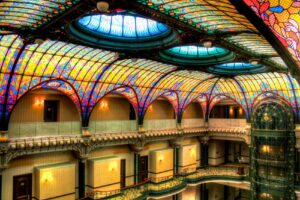
Hotel architecture and design are no longer limited to offering functionality and comfort. Today, many establishments are conceived as works of art in themselves: spaces where aesthetics, emotion, and visual storytelling are an integral part of the guest experience. This trend is transforming the way we understand hospitality and turns every corner into an opportunity for artistic expression.
More Than Buildings: Sensory Experiences
An artistic hotel isn’t just visited—it’s felt. From the first glimpse of its façade to the smallest interior details, everything is designed to provoke an emotional response. Architecture becomes a language capable of conveying a story, an identity, or even a philosophy of life.
Façades that break conventions, surprising volumes, creative use of natural light, and carefully selected materials—all contribute to creating unique atmospheres. In these spaces, the line between art, design, and architecture becomes beautifully blurred.
Interior Design: Livable Art
Interior design in artistic hotels goes far beyond choosing pretty furniture. It’s about creating livable scenes—compositions that harmonize functionality with beauty. Each room, hallway, or common area can become a micro-gallery, enveloping the guest in a coherent, inspiring, and often unexpected aesthetic.
Textures, colors, original artworks, ambient lighting, scents, and sounds come together to form a fully immersive sensory experience. Decorative elements are not just accessories—they are active components in a visual narrative that gives meaning to the space and sets it apart.
Hotels Signed by Great Designers
In recent years, some of the world’s most influential architects and designers have left their mark on high-end hotels. These projects have become international references—and often reasons to travel in themselves.
Zaha Hadid, with her organic and futuristic shapes, turned the Hotel Puerta América in Madrid into a fully immersive visual experience.
Philippe Starck, a master of conceptual design, has transformed hotels into spaces that seem straight out of a surreal dream.
Jean Nouvel, Tadao Ando, and Patricia Urquiola are other names who have brought their aesthetic vision to the hospitality sector, redefining the notions of luxury and innovation.
These hotels don’t just offer a place to stay—they offer a way to experience contemporary architecture from the inside, as if inhabiting a living art installation
Visual Identity and Aesthetic Coherence
A powerful architectural design isn’t reserved for big-name creators. Many independent or boutique hotels have embraced the challenge of developing a unique aesthetic that reflects their character, surroundings, or philosophy. From spaces inspired by Mediterranean art to minimalist, Japanese-influenced environments, every detail adds to a coherent visual identity that allows the hotel to stand out in a saturated market.
The use of natural materials like reclaimed wood, local stone, or handcrafted ceramics connects the design to the territory. The inclusion of local art, custom murals, or bespoke furniture strengthens this identity and offers guests a deeply rooted experience in the place they’re visiting.
Artistic Functionality: Beauty That Serves
In these spaces, beauty does not conflict with functionality. On the contrary, smart design can facilitate circulation, improve rest, optimize lighting, and enhance the sense of well-being.
The layout of spaces, choice of fabrics, acoustics, and ergonomic furniture are all thoughtfully considered to serve comfort without sacrificing visual impact. It’s art in the service of experience—where form and function come together in harmony.
A New Way of Traveling
For many modern travelers, staying in a hotel with architectural value is an essential part of the journey. Photographing a staircase, exploring hallways like a gallery, or admiring the building’s volumes from a terrace can be as thrilling as visiting a museum.
Hotels turned into works of art offer a more conscious, aesthetically driven type of tourism, where design is not a luxury—but a vehicle for emotion, connection, and memory.
Why Choose a Hotel with an Artistic Soul?
Because it turns every stay into a unique experience.
Because it stimulates creativity and emotional well-being.
Because it offers a way to connect with art without entering a gallery.
Because it makes us live space more fully and memorably.
Architectural and artistic design in hotels is not a passing trend—it’s a natural evolution of contemporary hospitality. We live in an era where emotion, aesthetics, and authenticity are increasingly valued. And the hotels that place art at the heart of their identity don’t just capture the guest’s attention—they leave a lasting impression.